A powerful shift is underway within the rare disease space. It started as a handful of inspiring stories of parents stopping at nothing to save the lives of their children.
Canadian father Terry Pirovolakis liquidated his family’s life savings, hired a research team, planned clinical trials and ultimately formed his own biotech company to create a gene therapy for his son, who was born with SPG50, an ultra-rare neurodegenerative disorder that is fatal by adulthood. Julia Vitarello founded Mila’s Miracle Foundation after her six-year-old daughter was diagnosed with Batten disease, an ultra-rare fatal neurodegenerative disorder. Julia mobilized a global grassroots fundraising effort, and led an unprecedented collaboration that created milasen, the world’s first individualized drug for a single patient. She went on to cofound a global scientific hub for individualized treatments as well as a biotech company to make them.
Yet, the stories keep exponentiating. “A lot of people still think that this patient advocacy driven approach is an anomaly instead of a movement,” says Charlene Son Rigby, CEO of Global Genes, a nonprofit organization that supports rare disease communities. “It’s actually a very inspiring time driven by an enormously passionate cohort of individuals with an urgent need.”
For Charlene, the movement is also deeply personal. After years of searching for a diagnosis, her daughter was found to have STXBP1, an ultra-rare neurodevelopmental disorder. Looking to accelerate research and kickstart therapies for STXBP1, Charlene teamed up with five other families she connected with via a Facebook group to found the STXBP1 Foundation. She went on to serve as CEO of RARE-X, a health technology nonprofit, later leading the merger between RARE-X and Global Genes.
But while this patient advocacy-driven movement is compelling — it shouldn’t have to exist.
“It shouldn’t be this way. Rare parents and rare patients should just be parents and patients. They shouldn’t have to become drug developers, foundation leaders, clinical trial sponsors, CMC manufacturing experts, etc. But they have to because there’s no alternative,” says Joe Katakowski, Ph.D., director of research for RTW Foundation, a philanthropic arm of RTW Investments. “It’s a horrific burden that society places on rare families.”
At the same time, rare disease therapy development is also at inflection point, with gene therapies bringing tremendous promise as disease-modifying or even curative treatments. Approximately 80% of rare diseases are caused by a mutation in a single gene,1 making them ideal targets for gene therapy, which aims to correct or replace dysfunctional genes. “It’s really a sea change for rare disease patients,” says Rigby.
However, when patient populations are too small to commercially support for-profit drug development, the industry’s traditional model breaks down — leaving patients and families scrambling. The cell and gene therapy sector now faces a priceless question: can it join advocates to collectively chart a sustainable path forward for rare and ultra-rare disease drug development?
Big pharma, small market
Big pharma has largely sat on the sidelines of rare disease drug innovation, a pattern that continues in cell and gene therapy, where early research and scientific breakthroughs are still driven primarily by academic labs or small, niche biotechs.
“Some larger multinational pharmaceutical companies have become more adept at working in small patient populations, but often by acquiring or partnering with those specialized biotechs rather than building everything internally from the ground up,” explains Alana Newhouse, president of the Foundation for Angelman Syndrome Therapeutics (FAST), the leading patient advocacy organization working to cure the rare neurogenic disorder often characterized by balance issues, severe speech impairments and debilitating seizures.
While this model has yet to yield an approved CGT therapy for many rare neurological disorders — Angelman syndrome among them — it has proven effective in other rare genetic diseases.
Zolgensma, Novartis’ blockbuster gene therapy for spinal muscular atrophy (SMA), offers a prime example of how large pharma companies can leverage their infrastructure, regulatory expertise and deep pockets to bring rare disease drugs across the finish line.
Zolgensma originated in academic research at Nationwide Children’s Hospital, where Brian Kaspar, Ph.D. and colleagues made the key discovery that AAV9 could cross the blood-brain barrier.2 Kaspar later licensed the platform technology and co-founded AveXis to advance the therapy; AveXis was subsequently acquired by Novartis in a $8.7 billion deal in 2018. Classified as an orphan drug and granted fast track and breakthrough therapy designations, Zolgensma received FDA approval the following year.
The term ‘orphan drug’ is itself rooted in the pharma industry’s longstanding disinterest in therapies that lack commercial appeal. In the late 1960s, pediatrician Harry Shirkey described children left without therapeutic options as “pharmaceutical orphans,” highlighting how few drug developers were willing to bear the cost of pediatric research.3 Two decades later, on the eve of the Orphan Drug Act’s passage, Dr. Marion Finkel — the FDA’s first director of the Office of Orphan Products Development — formalized the term to refer specifically to therapies for rare diseases.
While often debated, the U.S. definition of a rare disease has remained unchanged since the passage of the Orphan Drug Act in 1983: a condition affecting fewer than 200,000 people. ‘Ultra-rare’ has no official regulatory definition, but is commonly used for conditions affecting fewer than 1 in 50,000 individuals (roughly equivalent to 6,900 people in the U.S.), though some groups, including ICER, set the threshold at fewer than 10,000 patients.4
Industry investment has largely been in rare disease with bigger patient populations, like cystic fibrosis or sickle cell disease. According to Newhouse, Angelman syndrome, which affects about one in 15,000 people — or approximately half a million people worldwide — also offers commercial potential in the CGT space.
Rare parents and rare patients should just be parents and patients. They shouldn’t have to become drug developers, foundation leaders, clinical trial sponsors and CMC manufacturing experts.
— Joe Katakowski, Ph.D.
“For companies that have already invested in AAV manufacturing, CNS delivery, or gene-editing platforms, a condition like Angelman syndrome, which is larger than many other rare genetic conditions, is incredibly promising to consider. It is non-degenerative, there are decades of robust natural history studies, and the clinical endpoints are relatively well explored. This makes AS a great disorder to test a technology for proof-of-concept,” says Newhouse.
FAST, recognizing the importance of engagement from industry, serves as both an early-stage scientific partner and a builder of the ecosystem that cell and gene therapy companies need to succeed in Angelman syndrome.
“We invest in the shared infrastructure industry needs to have the best cellular and animal models freely available to all, to support clinical trial design appropriate for this population, and to support a 20-year prospective natural history study,” says Newhouse. “In practice, FAST is often at the table long before a cell or gene therapy reaches the clinic, helping drug developers build their programs using the best tools, with the best trial designs and hopefully with the right outcome measures and biomarkers.”
To some degree, the broader rare disease landscape is improving. In 2024, 72% of all new drugs approved were for rare diseases; up from just 51% in 2019.5 Yet even with the extraordinary efforts of patient advocacy groups, the ‘valley of death’ remains perilously deep for rare disease treatments, especially for those classified as ultra-rare.
At RTW, which exclusively helps rare and ultra-rare disease foundations and families conduct therapeutic research and development, Katakowski has witnessed this first-hand.
“Most of the diseases and indications we work in are so small that they wouldn’t rise to the commercial potential required by for-profit pharmaceutical companies,” says Katakowski. “I do see some potential opportunities for industry to pilot novel technologies in smaller indications, but once they get a hint of it working, that commercial entity would want to pivot into a larger indication, leaving ultra-rare indications neglected.”
For patients and families waiting on lifesaving treatments, the incentive is not financial — it is survival. And that reality underscores a problem the current system has yet to solve.
Rising tide of advocacy
Patient organizations began to emerge roughly 85 years ago as self-help groups, offering patients support grounded in shared experiences. More modern patient advocacy, which includes fighting for social reform, has its roots in HIV/AIDS activism in the 1980s, as well as breast cancer advocacy in the 1990s.6
Today’s rare disease patient advocacy organizations have evolved considerably, out of necessity.
“Patient advocates are really taking up the reins and filling the void of innovation and drug development in their disease,” says Rigby.
Advocacy work starts very early in the drug development process. “The role has changed dramatically, especially in rare disease. For conditions like Angelman syndrome, if patient organizations do not build the evidence base and the early pipeline, no one else is going to do it at the scale or speed families need. That reality is exactly why FAST was created, and it continues to define our role today,” says Newhouse.
Umbrella groups like RTW Foundation and Global Genes have also stepped in to help rare and ultra-rare disease foundations and families kickstart the process with various forms of support.
Education
RTW launched its Rare Disease Advisory Program in 2024 to offer free consulting services to rare disease families and foundations focused on therapeutic development. The goal is to provide high touch, tailored scientific expertise in order to facilitate effective drug discovery pathways. Under the direction of Katakowski, the team has advised 29 foundations and reached over 45 families.
“Our expertise is most helpful for foundations that are just starting out — often when there’s little or no research available or these are the first parents to form a foundation. Research is a bit scary, especially if you’re not a scientist by training, so we offer support to these very early-stage foundations to make the process less challenging and less daunting,” says Katakowski.
Access to data
Global Genes aims to provide patient advocacy groups with education and resources to navigate the complexities of therapy development, nonprofit formation and fundraising.
In 2021, Global Genes merged with the research nonprofit RARE-X, furthering its mission by tackling critical data challenges that hinder rare disease research. The RARE-X initiative focuses on making rare disease data more accessible to researchers and filling gaps where data does not yet exist.
“Much of the rare disease data that existed was in data silos, inaccessible to researchers outside of the organization that collected it, much less to rare patients,” said Rigby. RARE-X offers an open platform to collect patient-reported data across rare diseases.
Funding
As the largest non-governmental funder of Angelman syndrome research in the world, FAST helps move promising ideas through early development with hopes that the industry will pick them up for late-stage development.
“In practice, that means we are often the first, and sometimes only, source of capital for high-risk, high-reward programs in Angelman syndrome. That’s very different from the traditional support group model, and it reflects how central patient organizations have become to the modern drug development ecosystem,” says Newhouse.
RTW also offers funding, through a collaborative model introduced in 2024. Moving beyond traditional academic research grants, RTW directly funds rare disease foundations to equip patients and families to lead the search for treatments.
“Our granting model is a bit different in that we grant directly to the rare disease foundation and empower them with dollars so that they are the center of universe for drug development in their research endeavors. This realigns that power dynamic because if the foundation is paying the researcher, the researcher is accountable to the foundation,” says Katakowski.
Building ecosystems
From the outset, patient advocacy groups focused on creating support systems for families. Over time, that mission has evolved into something far more expansive: the deliberate construction of ecosystems that sustain drug development momentum.
Global Genes, which describes itself as a “network creator and ecosystem supporter” works with more than 820 nonprofit and rare disease organizations through its Global Advocacy Alliance. Its Corporate Alliance further extends that network to pharmaceutical and biotech companies, as well as academia.
Patient advocates are really taking up the reins and filling the void of innovation and drug development in their disease.
— Charlene Son Rigby
“I strongly believe — and this is borne out in my personal experience — that it’s by building strong ecosystems that we actually are able to drive change and have patients, biopharma, academics and regulators all working together,” says Rigby.
FAST has similarly positioned itself as a central hub where families, scientists, clinicians and industry converge. The organization supports multiple communication channels, maintains a global Angelman syndrome registry, and convenes in-person scientific meetings to accelerate collaboration.
“In Angelman syndrome, much of the innovation is driven by FAST, working closely with highly focused biotechs, academic researchers and various collaborative efforts. Those efforts sit within an ecosystem where shared value advance all in the field — and that model is proving to be a faster, more effective path to success,” says Newhouse.
Floating more boats
While advocacy-driven associations have grown increasingly sophisticated — and have achieved remarkable progress with limited resources — there is little question that greater pharma industry involvement could bring more therapies to more patients. Yet, according to Katakowski, correcting the deeply entrenched misalignment of incentives in the rare and ultra-rare drug development process would involve a “radical restructuring” of the system.
“Money is a big issue, but in my mind, the regulatory landscape is an even greater concern. It is built to support larger, bigger chronic diseases that are addressable through commercial entities,” says Katakowski. “It is not fit for purpose for these ultra-rare diseases — the deck is stacked against them.”
While the 1983 Orphan Drug Act was a pioneering piece of legislation for spurring rare disease drug development — offering market exclusivity and R&D tax credits — many insiders believe that additional incentives and new business models are needed to support the development of cell and gene therapies for ultra-rare diseases.
“In the Orphan Drug Act, ‘rare’ is defined as a patient population of 200,000 or fewer patients in the U.S. So inevitably, given that there is a profit incentive structure at that number, most companies will develop diseases with patient populations of 199,999,” says Katakowski.
Recently, the FDA has made strides in easing the burden of ultra-rare disease drug development. This past September, CDER and CBER jointly proposed the Rare Disease Evidence Principles (RDEP) process to facilitate the approval of drugs to treat rare diseases with very small patient populations (defined as less than 1,000 persons in the U.S.). Through RDEP, the agency offers a more structured and transparent pathway that acknowledges the inherent challenges of conducting traditional clinical studies in ultra-rare disease, allowing developers to seek approval based on one adequate and well-controlled study, backed by robust confirmatory evidence.
In November, in another win for rare disease, the FDA outlined a novel path to market entry, known as the plausible mechanism pathway, for bespoke, personalized therapies, particularly those targeting ultra-rare genetic diseases where traditional clinical trials are often infeasible.
However, in order to utilize this pathway, a therapy would need to make it to the clinic, which is a financial undertaking in itself.
“It doesn’t provide sort of financial incentives, which is a huge burden to most foundations,” says Katakowski. “While it gives some flexibility in the regulatory space, that assumes that therapies have the funding to get to the clinic.”
One existing incentive that has helped offset this challenge is the FDA’s rare pediatric disease priority review voucher (PRV) program, created in 2012 under the FDA Safety and Innovation Act to encourage development of therapies for rare pediatric conditions. These vouchers are awarded to companies that secure approval for a drug with a rare pediatric disease designation and can be redeemed for priority review of a future marketing application — or sold to another company.
Historically, PRVs have commanded substantial prices, providing a financial boost to companies that successfully bring a rare pediatric therapy across the FDA finish line. In 2015, for example, AbbVie paid $350 million for a voucher originally awarded to United Therapeutics.7 The future of the program, however, remains uncertain, as its reauthorization is tied to the Give Kids a Chance Act, which has yet to pass the Senate.
“The PRV was also a huge incentive to take a drug to full approval,” Katakowski adds. “But for most foundations, getting to an investigator-initiated trial and dosing even a handful of patients is a Herculean success — going all the way to full market approval something else entirely.”
A message to industry
Several forces have aligned, opening a timely window for industry investment in rare disease development.
“The FDA has demonstrated interest in flexibility in supporting the regulatory process for rare disease populations. And we’ve entered into this brave new world where cell and gene therapies are getting approved and increasingly, getting reimbursement. So there’s a really nice convergence right now,” says Rigby.
“One thing I wish that pharma would realize is that these disorders are investable — and more of them are going to be investible over time,” says Rigby.
Using her daughter’s condition as an example, Rigby notes that while STXBP1 is considered ultra-rare (about 1 in 26,000 people), the global numbers accumulate over time. If patients live for decades, the total population worldwide could exceed 200,000 — large enough to support a viable market.
Moreover, as with many rare diseases, there is often a gap between estimated prevalence and diagnosed cases. With genomic testing becoming standard of care, more rare patients are being identified. For example, the U.S. recently added two rare conditions, Duchenne muscular dystrophy and metachromatic leukodystrophy, to the recommended uniform screening panel, helping uncover additional cases during newborn screening.
The small patient populations and severe nature of ultra-rare diseases also make them well-suited to lean, efficient clinical trials. “We’re not talking about needing trials with thousands of patients. A more streamlined development process can make these therapies economically viable and potentially profitable,” Rigby explains.
However, industry taking on a greater role in the process should not come at the expense of patient involvement.
Global Genes’ recent whitepaper, Early and Often, underscores the importance of integrating patient expertise into every stage of rare disease therapy discovery and development.8 Patients, caregivers, and advocacy groups provide insights that can improve trial design, recruitment, retention and overall success.
There’s ROI that comes with working with patient communities throughout the drug development continuum as well. Trial delays, protocol amendments and failed studies carry significant costs. Protocol amendments cost an average of $141,000 each for a phase 2 trial and $535,000 for a phase 3 trial.8
“Engaging patients, understanding the patient experience and getting patient input into the clinical trial protocol diminishes the likelihood that developers will have to file an amendment,” says Rigby.
FAST reinforces this patient-centered approach, urging industry to engage early with patients and advocates to understand their needs and identify potential barriers to trial participation.
“When companies treat patient organizations as strategic partners rather than recruitment channels, programs tend to move faster, with better designed trials and more durable trust. That is true in Angelman syndrome, and it translates across the broader cell and gene therapy landscape as well,” says Newhouse.
Urgency rises to the top
With or without the participation of the industry, the fire of the patient advocacy-driven movement isn’t burning out any time soon. Families are organizing, learning from earlier pioneers, and building pathways forward — often out of necessity rather than choice.
“There are going to be more foundations, more parents choosing to go down this road and leveraging the learnings of those that came before them,” says Katakowski. “Hopefully there will be more partners in this space to make that road to be easier.”
Urgency is a powerful motivator, and few feel it more acutely than parents fighting for their children’s lives. For them, advocacy is not abstract or optional — it is immediate and deeply personal.
“As a parent I have that personal urgency,” says Rigby. “When my daughter was diagnosed at age three, I promised her we were going to do something that would truly help her and change her trajectory. It’s a parental instinct — the feeling that you’ve been entrusted with this life, and you will do whatever it takes to protect it.”
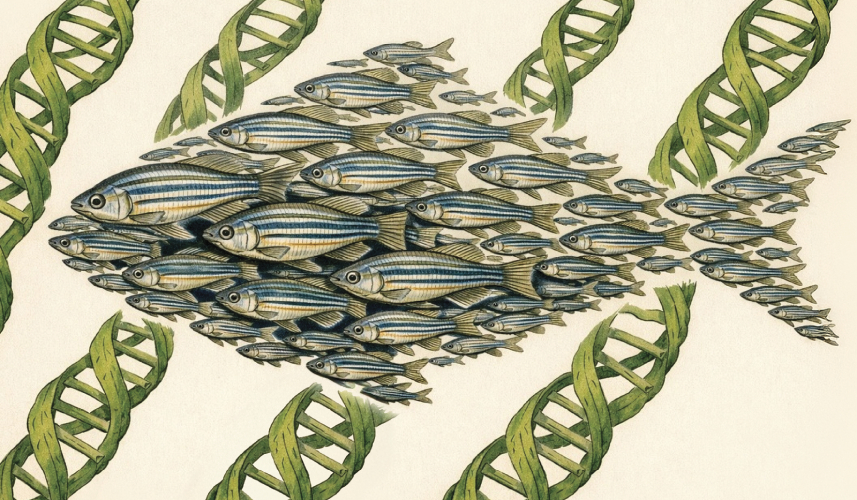
That urgency is fueling a growing movement — one that will continue to push forward, innovate, and demand progress. The question for industry is not whether this movement will keep moving, but whether it will choose to swim alongside it — or be left behind by the current.
References
- National Human Genome Research Institute. Rare Genetic Diseases. NIH. [accessed 12/20/25]
- FDA Approves First Gene Therapy Treatment for SMA Developed at the Abigail Wexner Research Institute at Nationwide Children’s. (2019, May). Nationwide Children’s. [press release]
- Mikami, K. (2017, Nov). Orphans in the Market: The History of Orphan Drug Policy. Soc Hist Med. 32(3), 609-63.
- Levine, D. (2024, Feb). Next 24: Rewriting the Rules. Global Genes.
- Khurana, N. (2025, Sept). Economics and Politics in Rare Disease Treatments: The Rising Cost and Challenges. Rare Genomics Institute.
- A Strong Patient’s Voice to Drive Better Health in Europe. European Patient’s Forum. [accessed 12/20/25]
- United Therapeutics Agrees to Sell Priority Review Voucher to AbbVie for $350M. (2019, Aug). United Therapeutics. [press release]
- Early and Often. (2025, Jan). Global Genes. [whitepaper]
Subscribe to our e-Newsletters
Stay up to date with news, articles and insights relevant to cell and gene therapy development and manufacturing. Plus, get special offers from Cell & Gene Therapy Review delivered right to your inbox!
Sign up now!